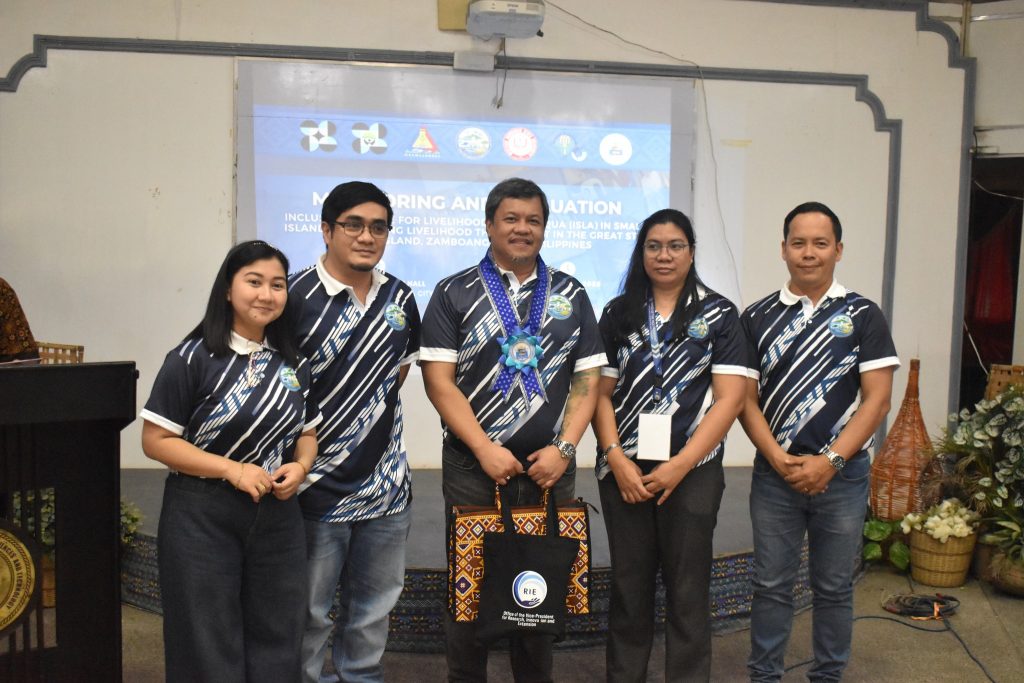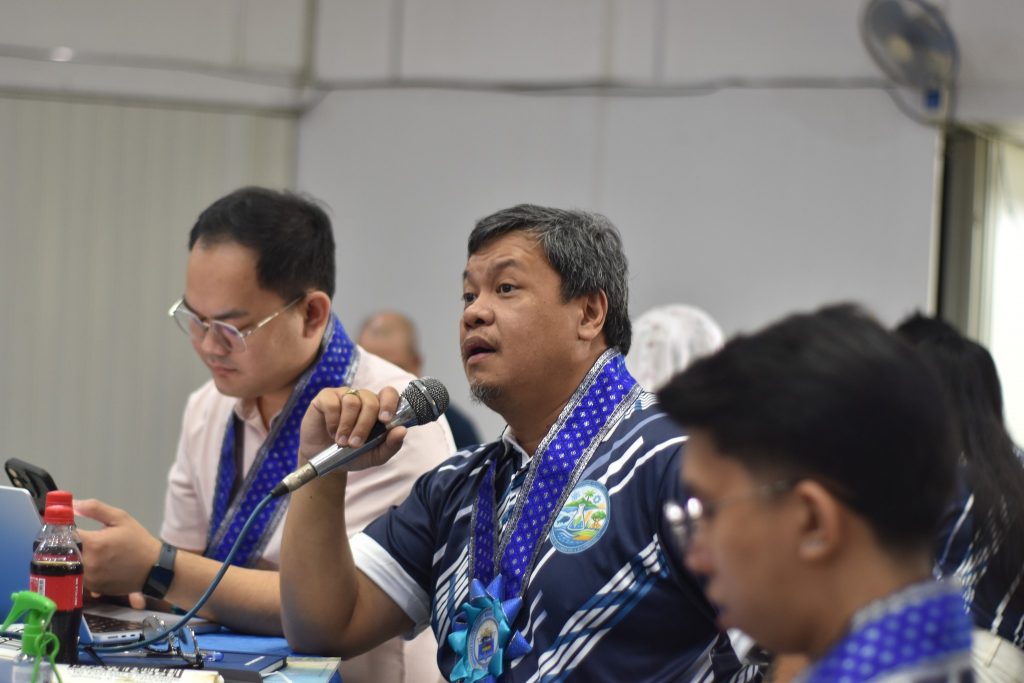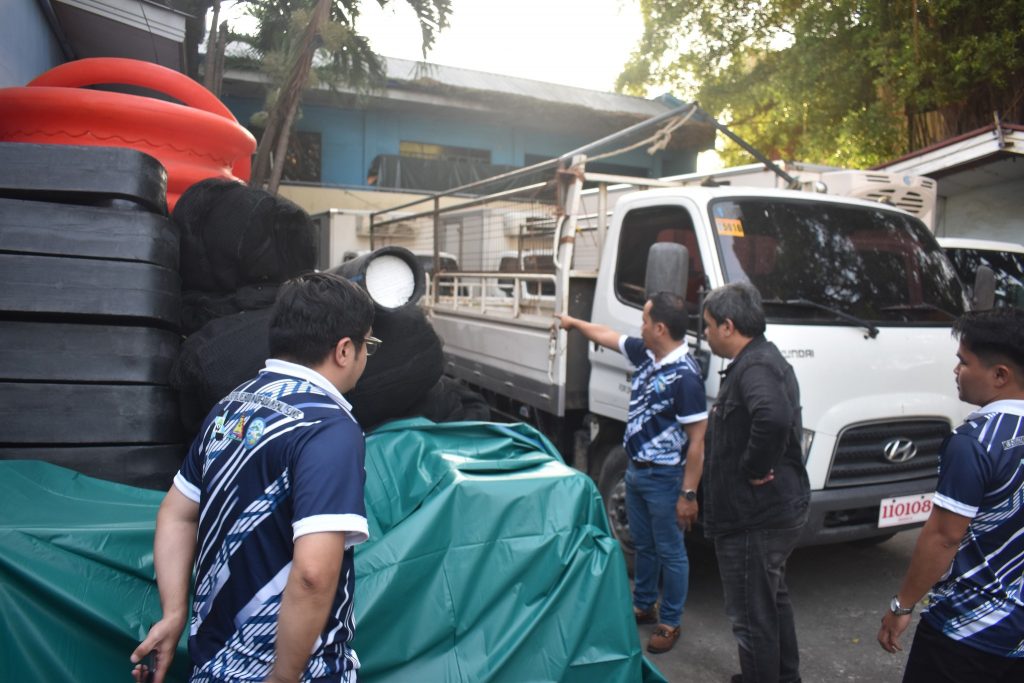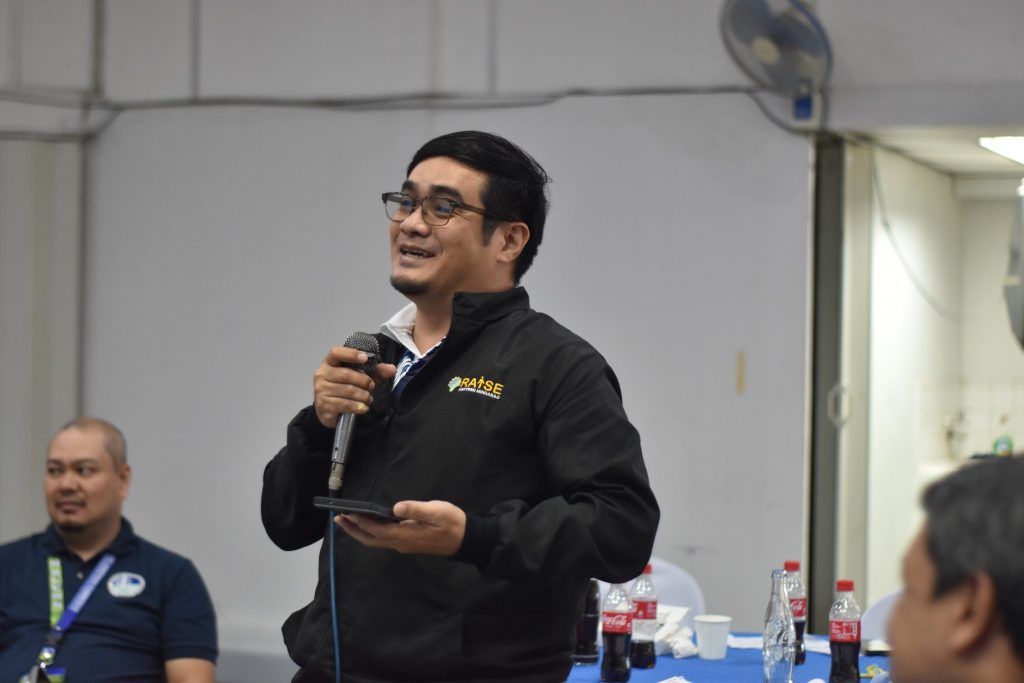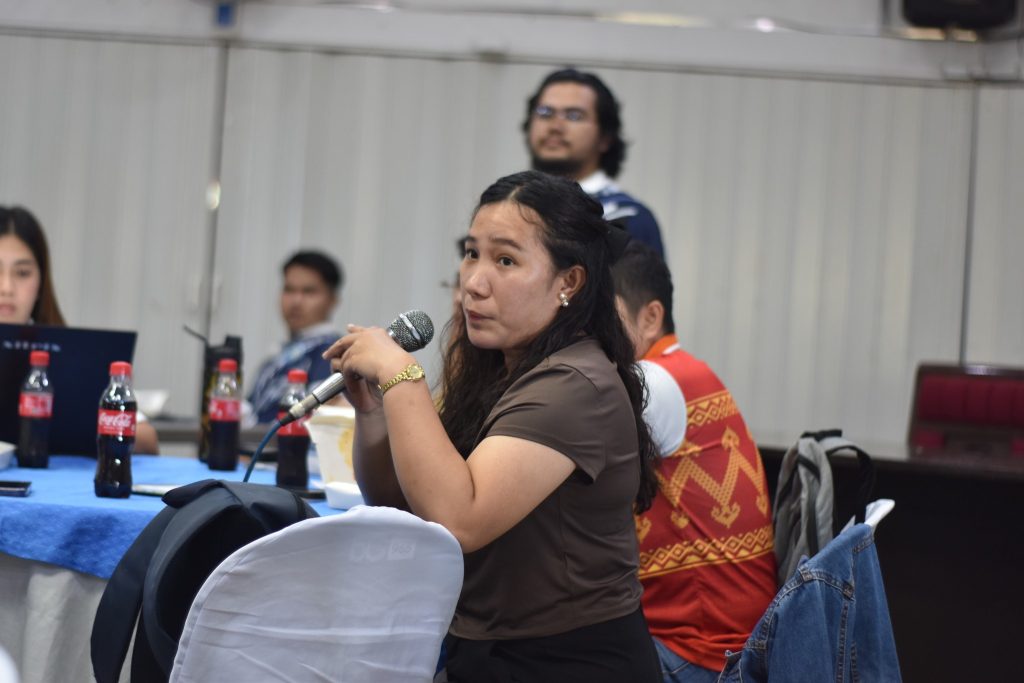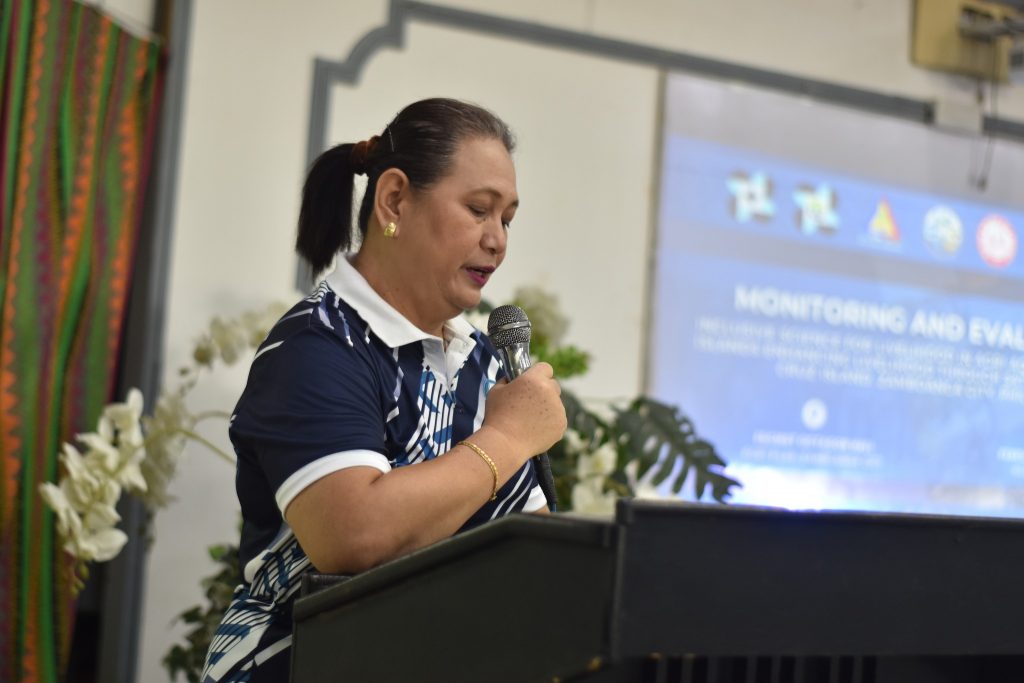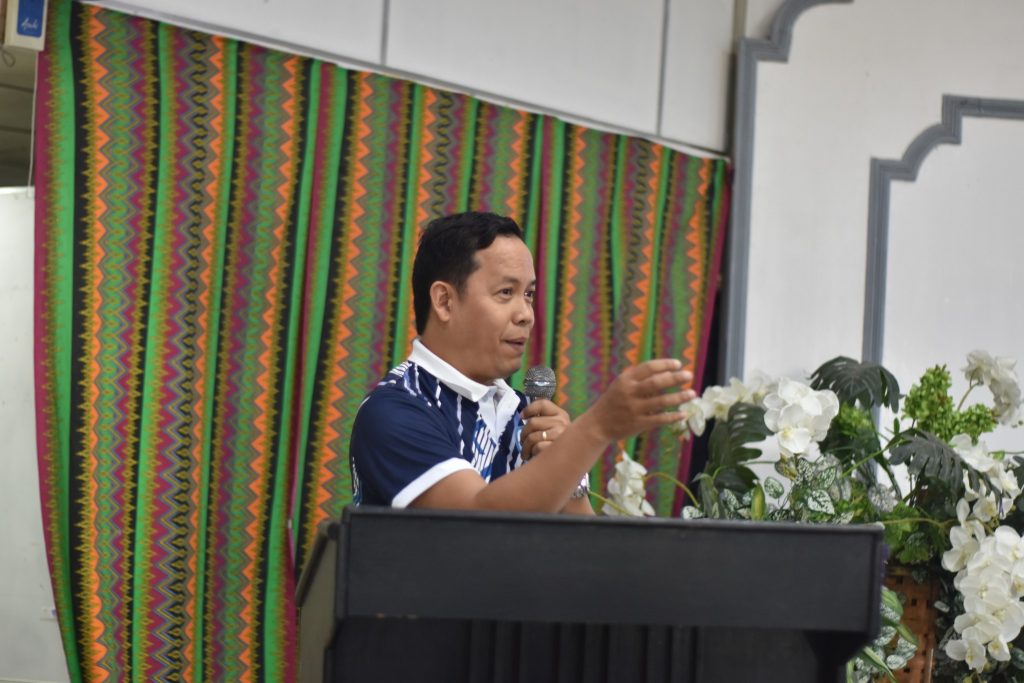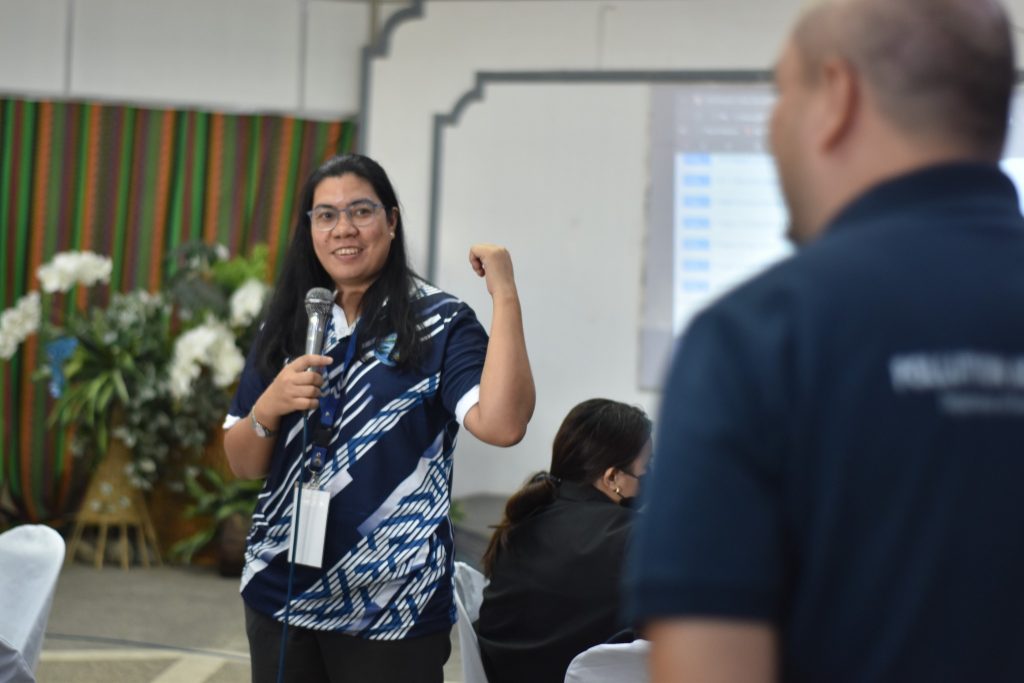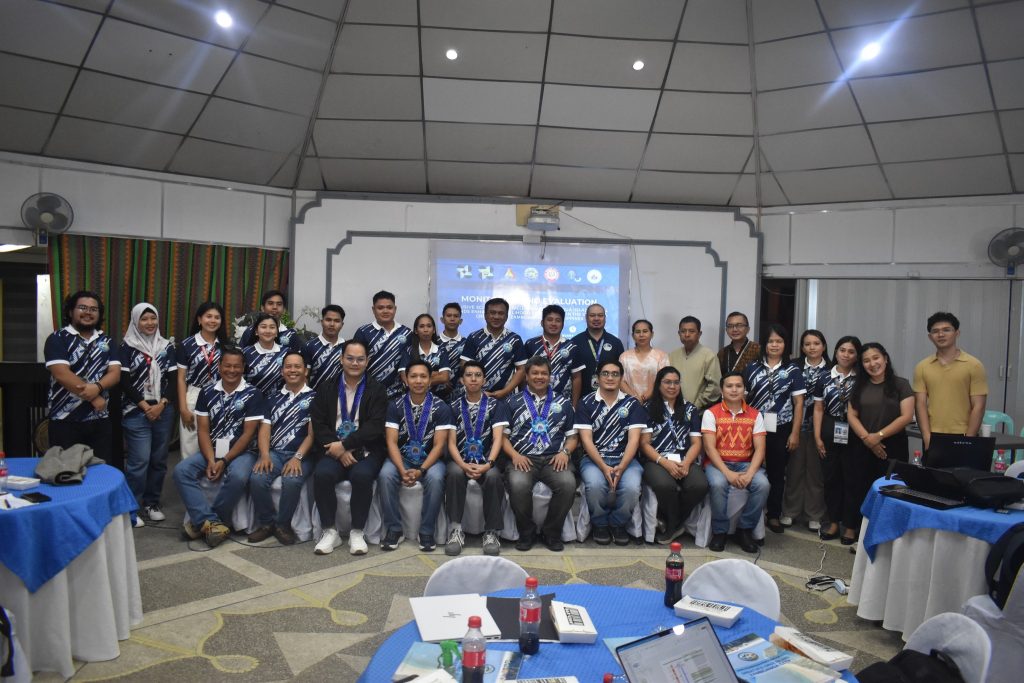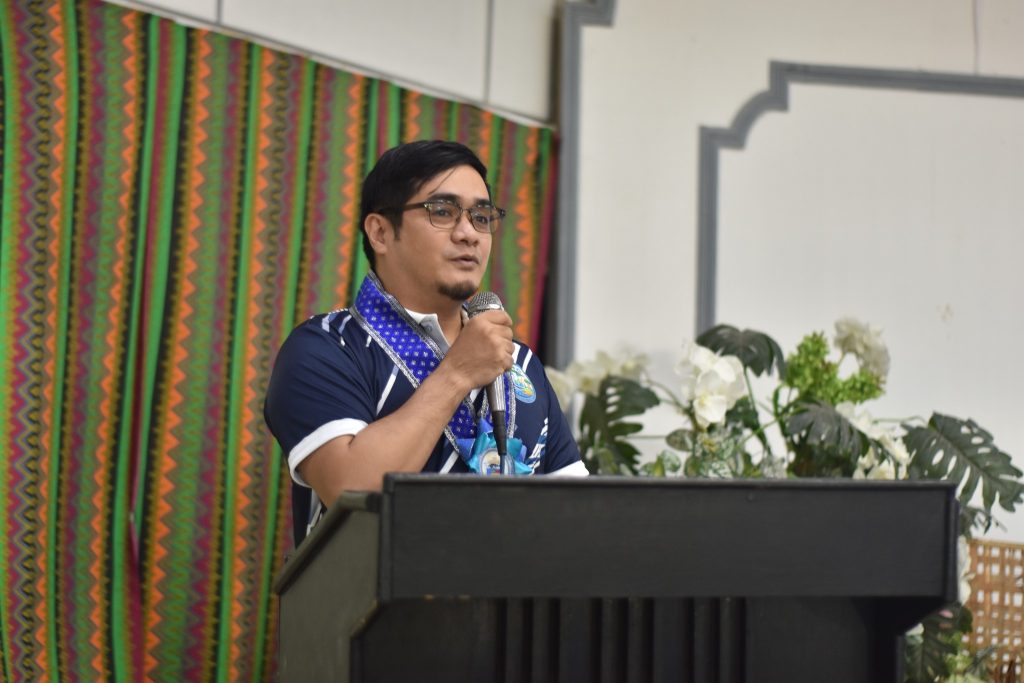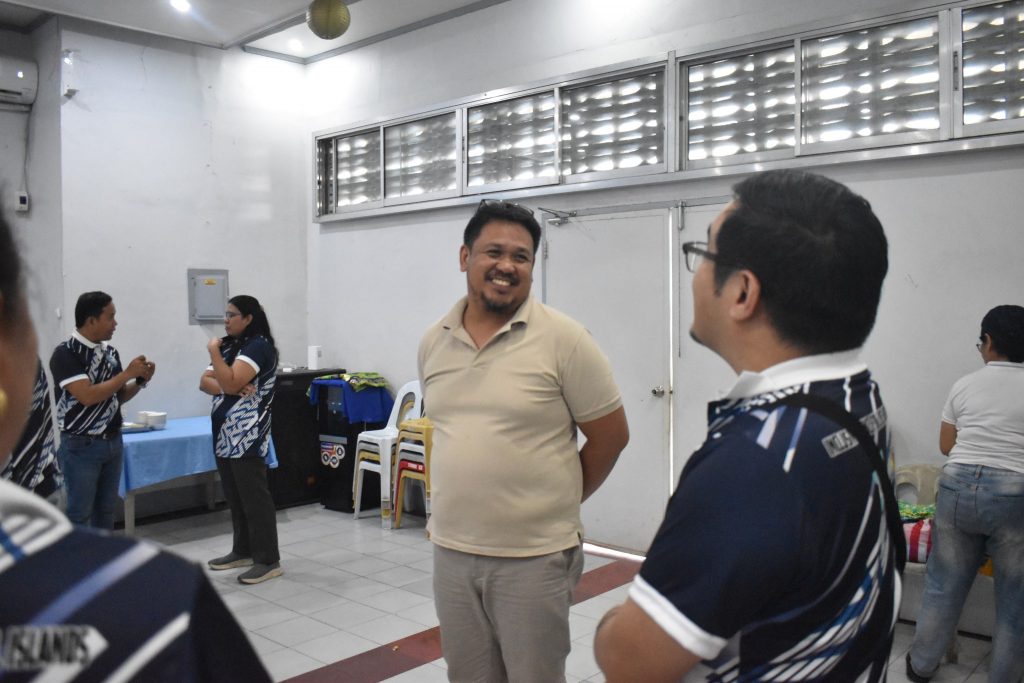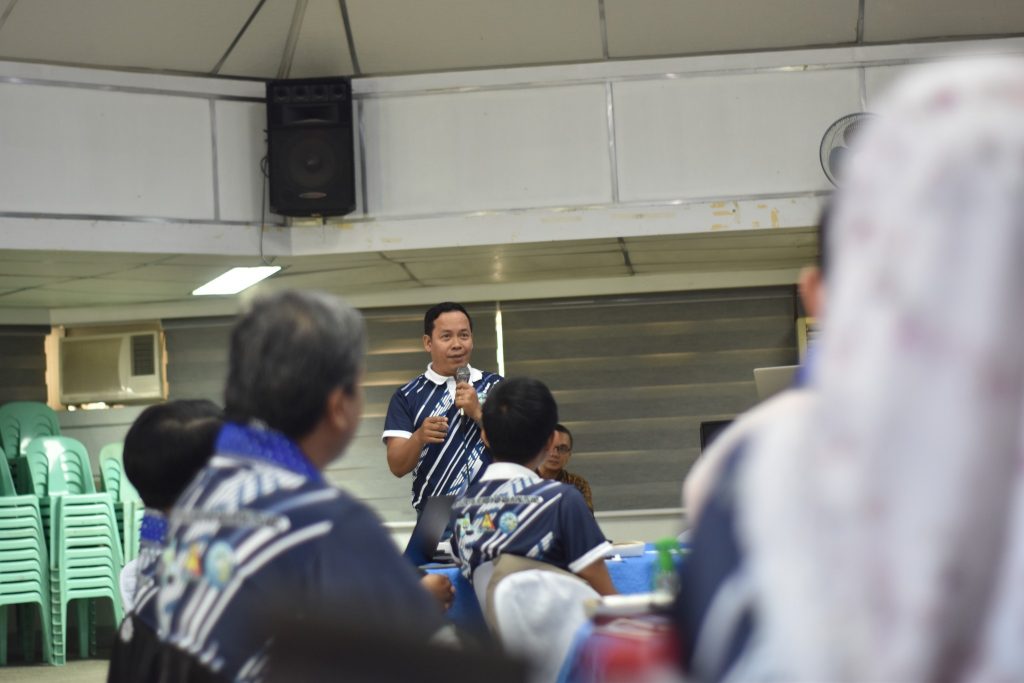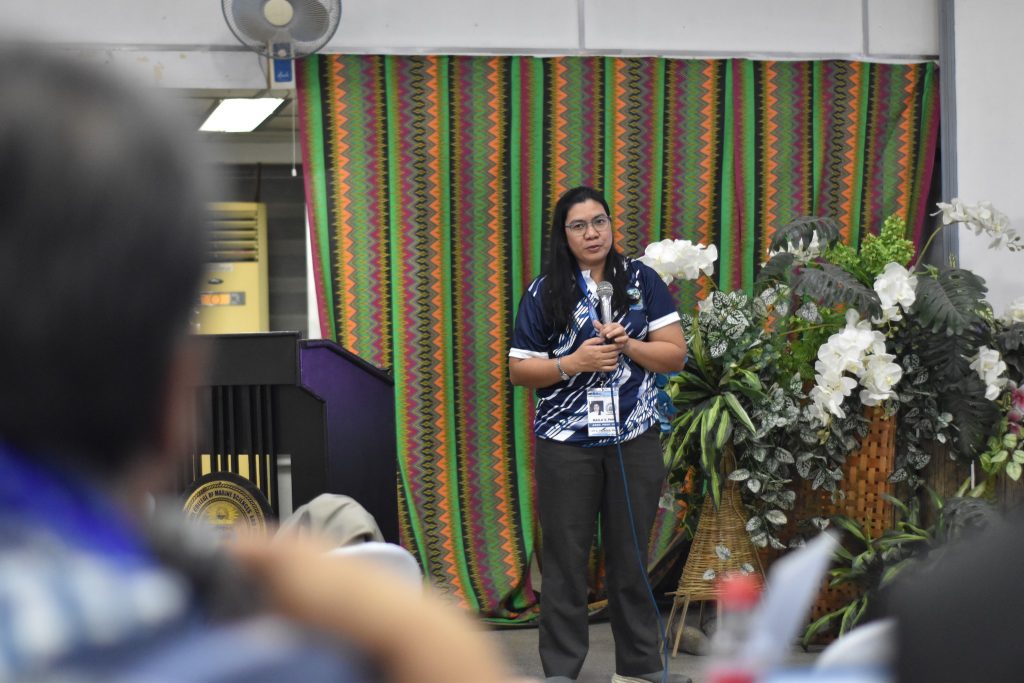
Zamboanga City – The Inclusive Science for Livelihood in Agri-Aqua (ISLA) Program conducted its Monitoring and Evaluation (M&E) activities on February 4–5, 2026, at Zamboanga State College of Marine Sciences and Technology (ZSCMST) and Great Sta. Cruz Island, Zamboanga City. The activity was supported by WMSU University President Dr. Ma. Carla A. Ochotorena and Vice President for Research and Extension Dr. Joel G. Fernando.
The evaluation team from the Department of Science and Technology – Philippine Council for Agriculture, Aquatic and Natural Resources Research and Development (DOST-PCAARRD), composed of Dr. Engelbert R. Lalican, Mr. Alexander John D. Borja, and Mr. Jasper Imanuel L. Revilleza, assessed the progress and implementation of program interventions in Great Sta. Cruz Island.
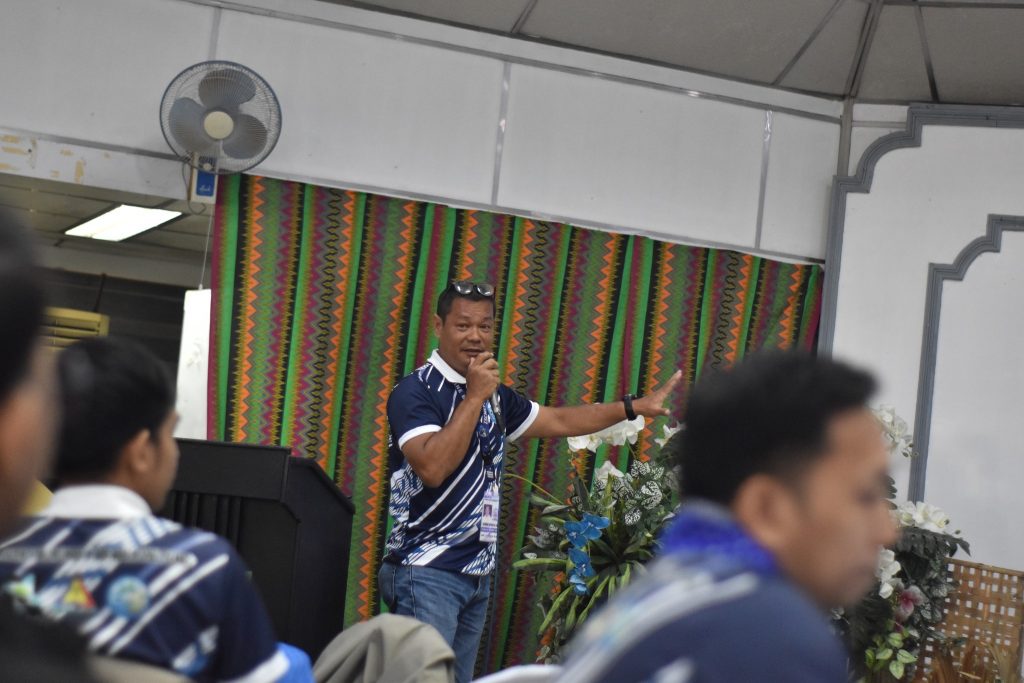
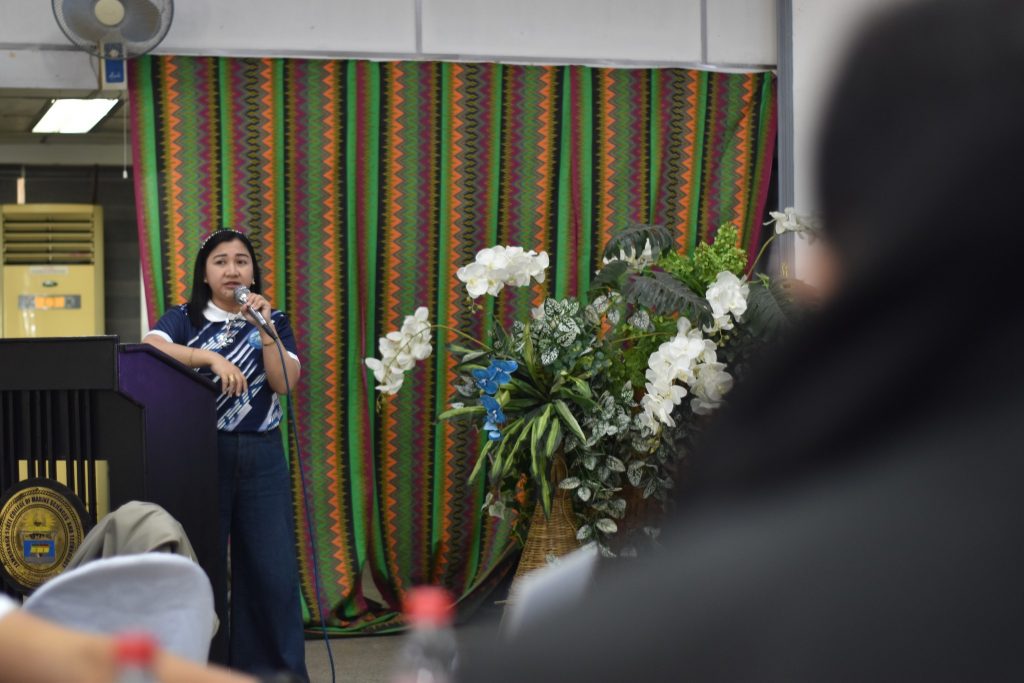
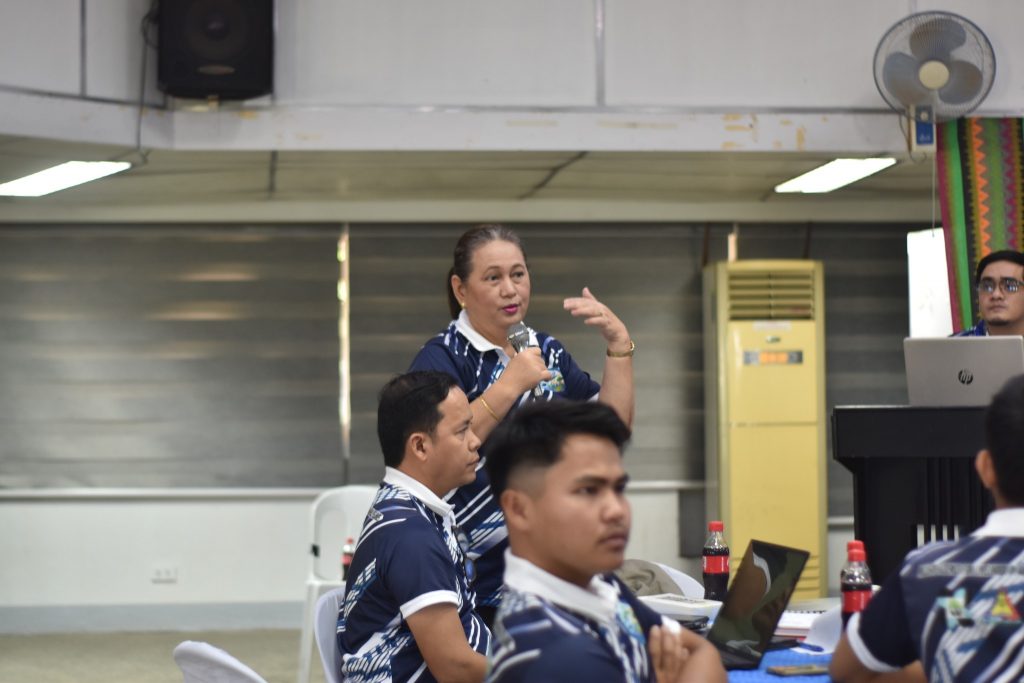
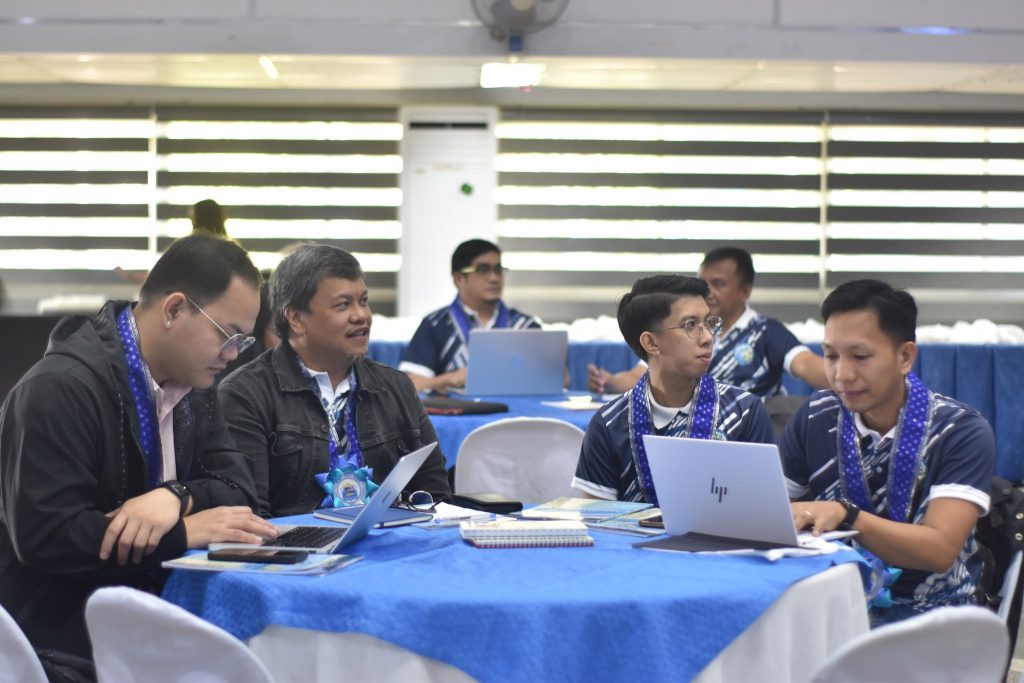
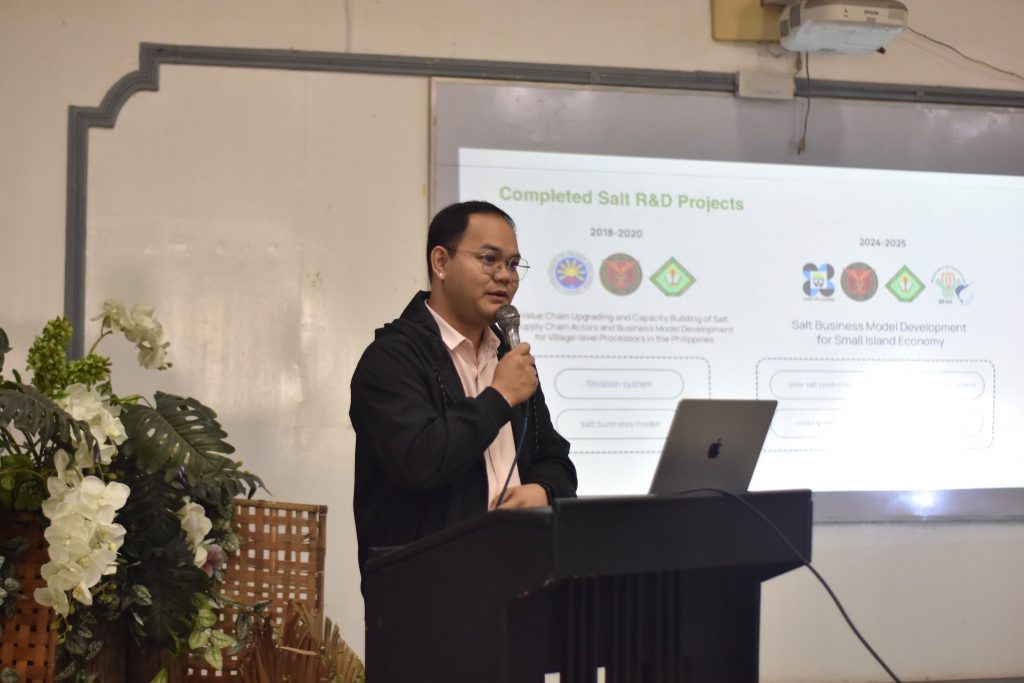
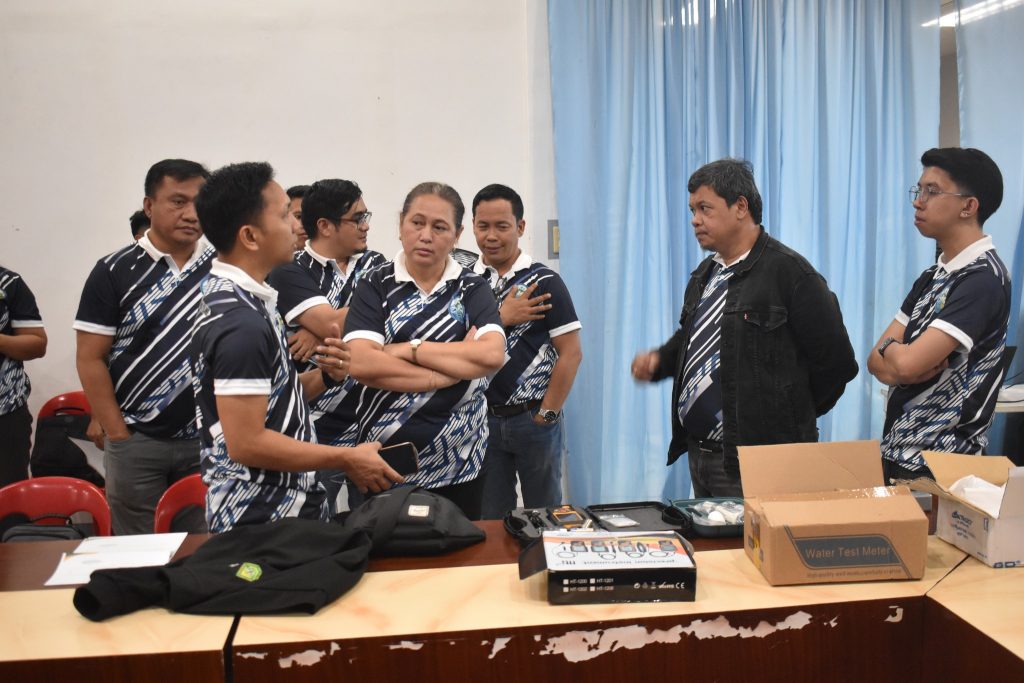
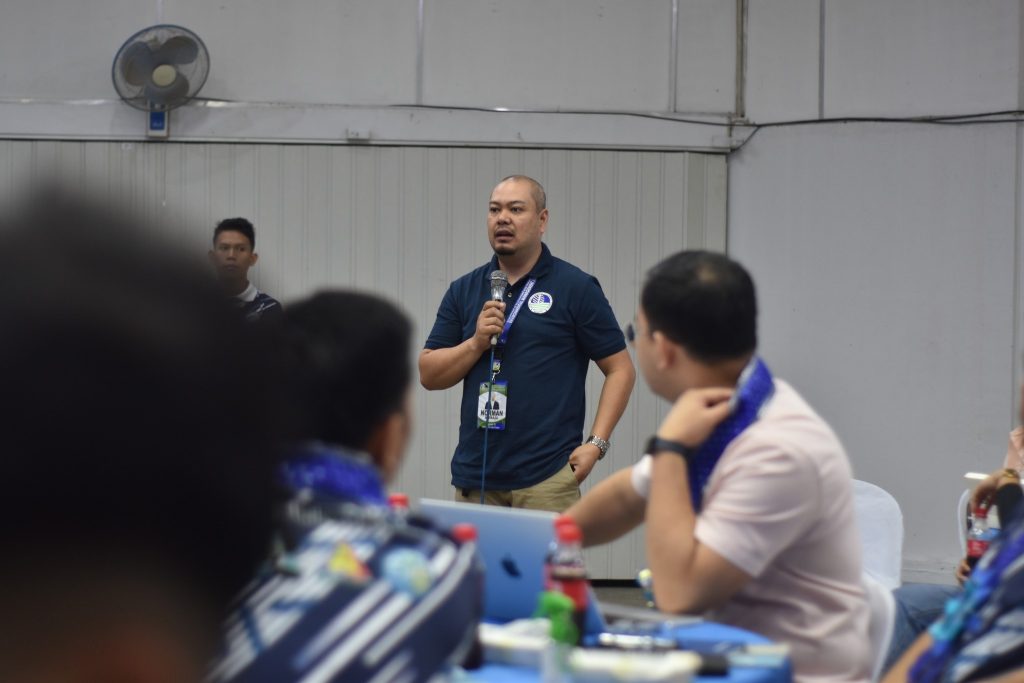
On February 4, 2026, activities at ZSCMST included the presentation of the ISLA Program accomplishment report and evaluation of project progress. A key highlight was the presentation of the ASIN Project by Engr. Gee Jay C. Bartolome of Cavite State University, showcasing its accomplishments, operational status, and contributions to community livelihoods through science-based interventions. The presentation prompted discussions on sustainability and scalability in small island communities.
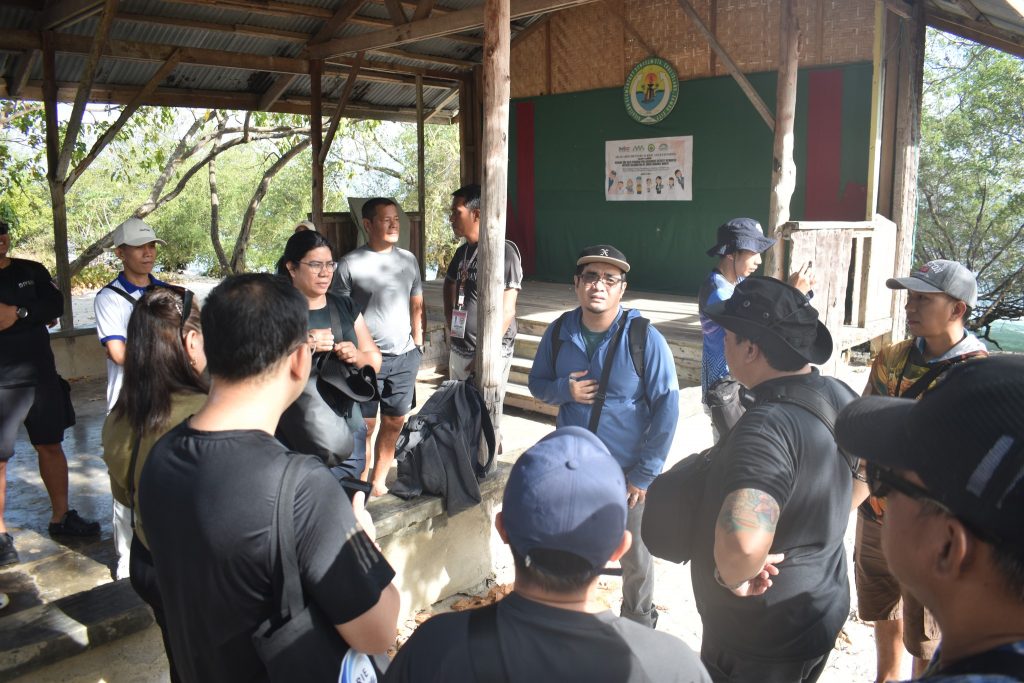
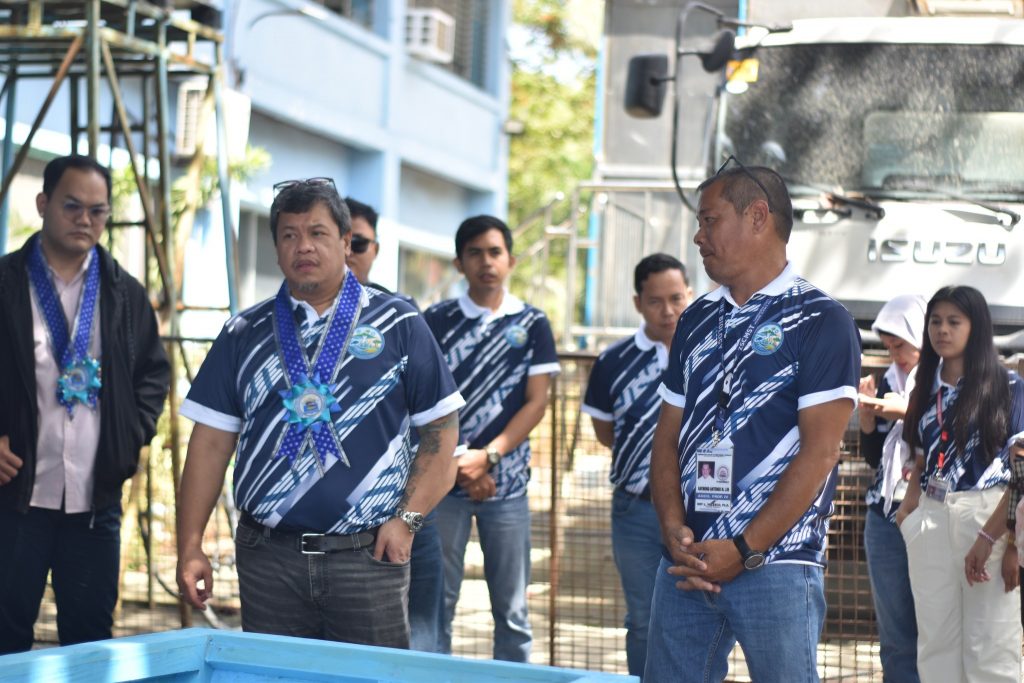
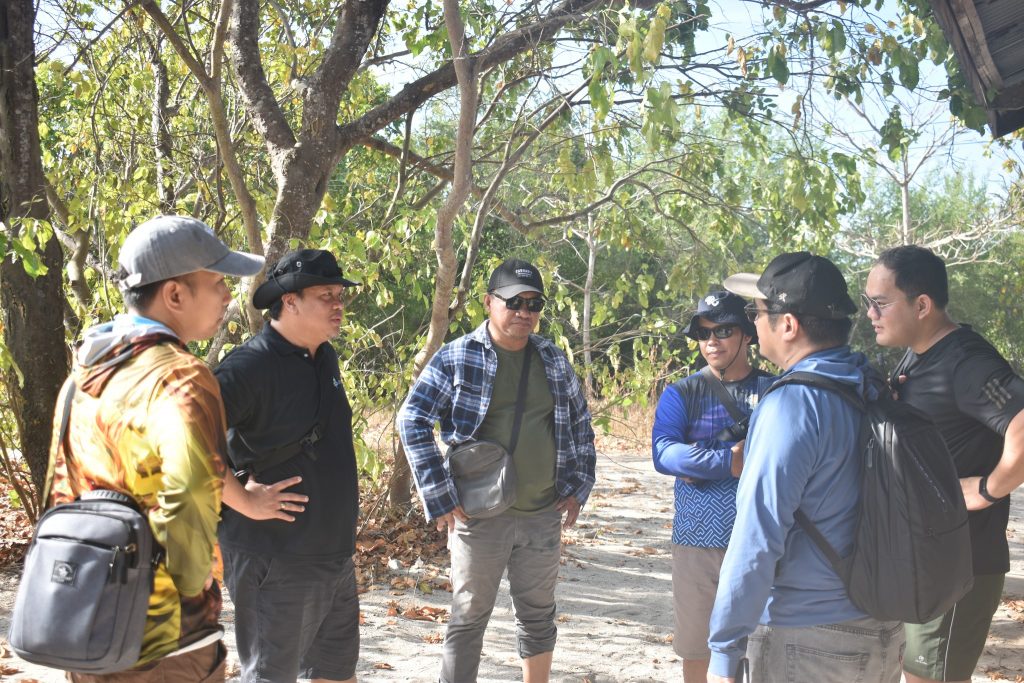
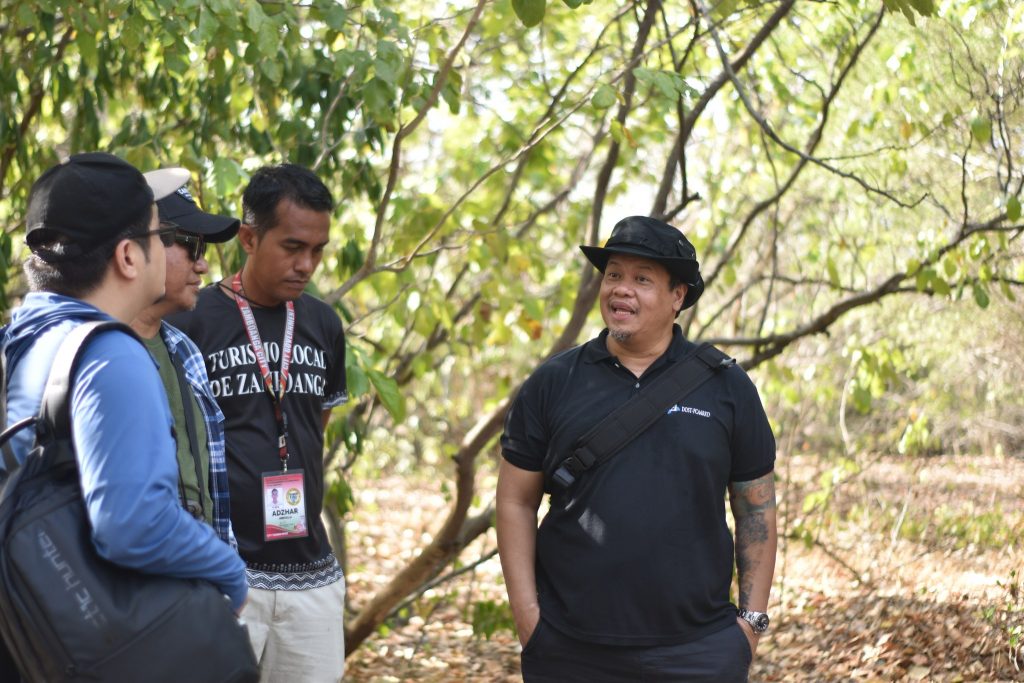
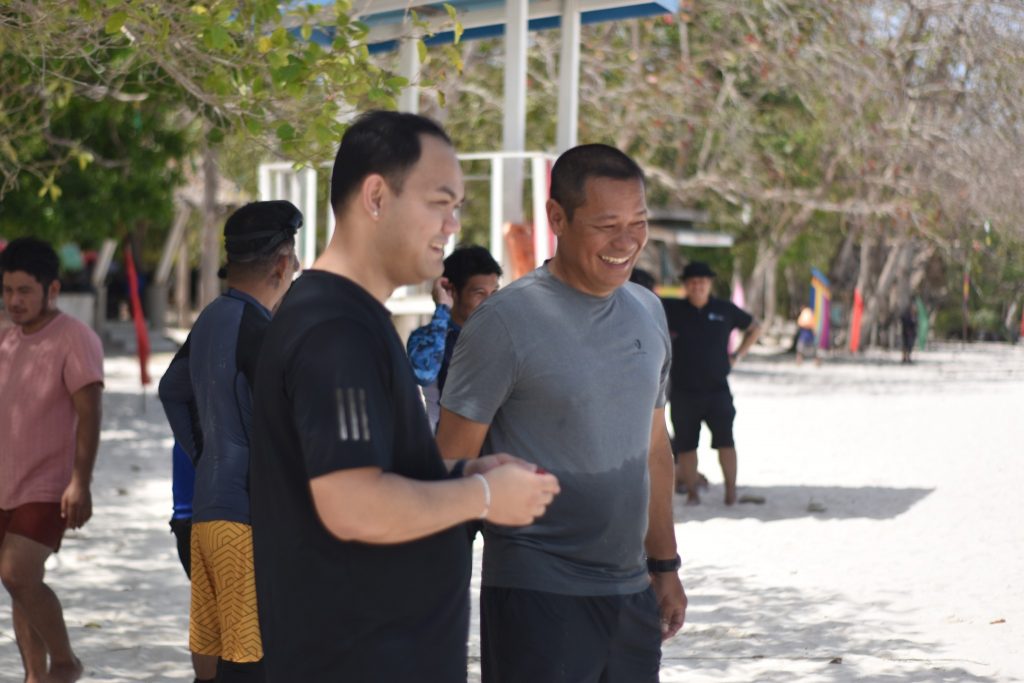
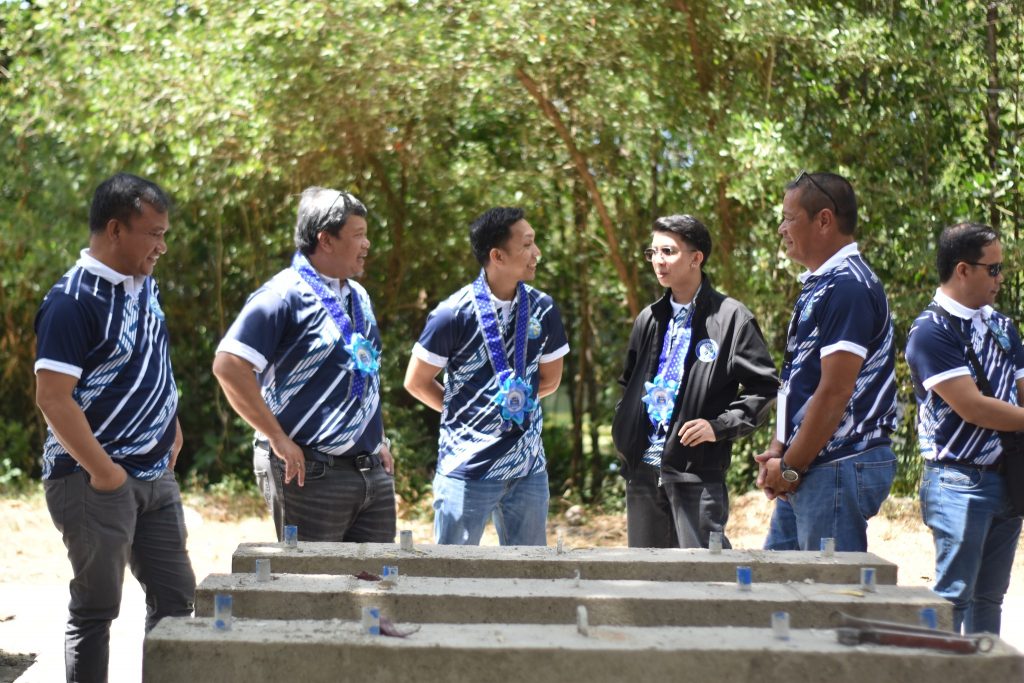
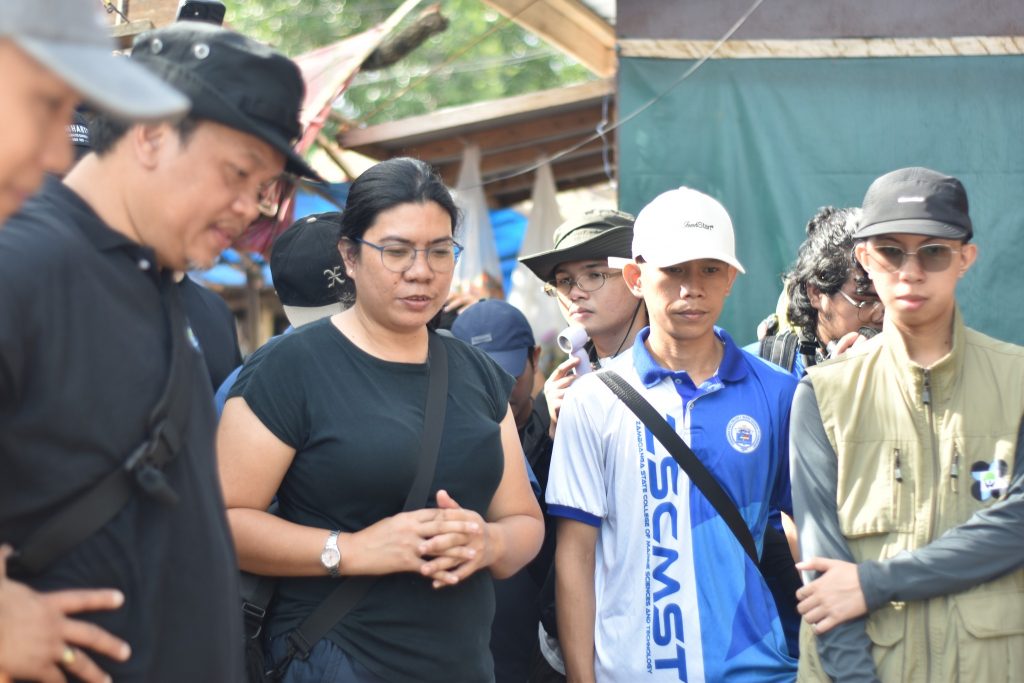
On February 5, 2026, the DOST-PCAARRD team conducted a site visit to Great Sta. Cruz Island to validate reported accomplishments, observe on-site operations, and engage with beneficiaries and stakeholders.
Officially titled “Inclusive Science for Livelihood in Agri-Aqua (ISLA) in Small Islands: Enhancing Livelihood through Science and Technology in Great Sta. Cruz Island, Zamboanga City,” the program is spearheaded by Dr. Reynante E. Autida of Western Mindanao State University (WMSU). It consists of five component projects focused on environmental sustainability, food security, and community empowerment.
Project 1: Community-Based Natural Resources Management and Health Improvement, led by Dr. Autida, conducted household profiling, coastal resource assessments, health and environmental awareness campaigns, and stakeholder consultations.
Project 2: Establishment of Milkfish HDPE Fish Cage Livelihood Project, led by Dr. Rhemar C. Bayato of BFAR IX, provided technical training on milkfish culture and cage management to improve aquaculture practices among local fisherfolk.
Project 3: Agriculture and Food Technology Production, led by Assistant Professor Ma. Lyn C. Tores of WMSU, implemented capability-building activities on ZamPen native chicken production.
Project 4: Technology Integration through Knowledge Sharing in Integrated Multi-Trophic Aquaculture (TIKIMTA), led by Dr. Maila V. Pan of ZSCMST, conducted knowledge-sharing sessions, technical demonstrations, and skills training on integrated multi-trophic aquaculture systems.
Project 5: SanTa Cruz Artificial Reefs (STAR), led by Associate Professor Raymond Antonio M. Lim of ZSCMST, completed site assessments and initiated artificial reef deployment.
The program is implemented in partnership with the Local Government Unit of Zamboanga City through the City Tourism Office; the Sta. Cruz People’s Organization; the Department of Environment and Natural Resources – Community Environment and Natural Resources Office; the Department of Environment and Natural Resources – Environmental Management Bureau; and the Department of Science and Technology IX.
The M&E activity reaffirmed the importance of multi-agency collaboration in ensuring that ISLA interventions, including the ASIN Project, remain responsive, inclusive, and sustainable in improving livelihoods and promoting environmental stewardship in small island communities.
(Kerylle R. Gabayeron)